
Saye Haye Roshan
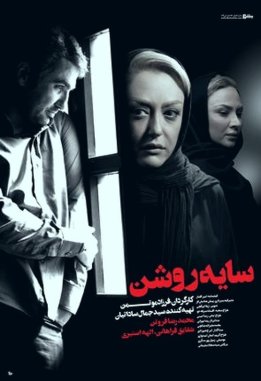
Saye Haye Roshan (فیلم سایه های روشن) is a film directed by Farzad Motamen, noted for its philosophical and psychoanalytic approach. It’s considered one of the more distinctive and thought-provoking works in contemporary Iranian cinema.
The central character, Ramin, is a man suffering from a heart condition that has severely limited his career as an actor. He agrees to fulfill an old vow and travels to the village where his wife was born on the 28th of Safar — a journey that is not only physical but deeply psychological and emotional. Ramin is afflicted with memory loss, and throughout the film, his primary struggle is to regain fragments of his forgotten past.
A nurse enters his life to assist in this journey, not just medically but emotionally — helping him piece together the shattered remains of his identity through dialogue, confrontation, and introspection. The film gradually blurs the lines between memory, reality, and imagination, exploring the elusive nature of truth.
Visually, the film employs shadowy lighting and confined spaces to reflect the inner turmoil of its characters. Due to its complex narrative and ambiguous storytelling, the film faced significant delays in public release. Motamen himself has stated that Iranian cinema hadn’t previously approached a film like Shades of Grey, which made it a challenge for mainstream acceptance.
This film is ideal for viewers who appreciate symbolic, experimental, and intellectually engaging cinema that grapples with themes of memory, identity, and perception.


There are no reviews yet.